
31+ Skin Cancer Treatment For Melanoma
Pictures. The development of revolutionary targeted therapies marked the beginning of a new era of personalized medicine for melanoma patients, allowing tumors to be treated with minimal damage to healthy cells. You might need surgery to remove lymph nodes near the melanoma to see if the cancer has spread there. Who treats melanoma skin cancer? This is known as surgical excision. Treating stage 1 melanoma involves surgery to remove the melanoma and a small area of skin around it. If the tumor has grown deep into your skin or spread to other parts of your body, treatment is more complex. Usually, this is the only treatment required. Depending on your options, you may have different types of doctors on your treatment team. A very thin melanoma may be removed entirely during the biopsy and require no further treatment. Treatment for stage 4 melanoma is given in the hope that it can slow the cancer's growth, reduce symptoms, and extend life expectancy. Learn more about the diagnosis and after melanoma has been diagnosed, tests may be done to find out if cancer cells have spread within the skin or to other parts of the body. For example, if the problem is on your arm. These melanomas are treated by excisional surgery. Melanoma treatment options include surgery, chemotherapy, radiation therapy, immunotherapy, and targeted therapy. Otherwise, your surgeon will remove the cancer as well as a border of normal skin and a layer of tissue beneath.
Skin Cancer Archives – Jupiter Dermatology
Before and After Gallery – Skin Surgery Clinic. The development of revolutionary targeted therapies marked the beginning of a new era of personalized medicine for melanoma patients, allowing tumors to be treated with minimal damage to healthy cells. Treating stage 1 melanoma involves surgery to remove the melanoma and a small area of skin around it. Who treats melanoma skin cancer? Learn more about the diagnosis and after melanoma has been diagnosed, tests may be done to find out if cancer cells have spread within the skin or to other parts of the body. For example, if the problem is on your arm. Treatment for stage 4 melanoma is given in the hope that it can slow the cancer's growth, reduce symptoms, and extend life expectancy. You might need surgery to remove lymph nodes near the melanoma to see if the cancer has spread there. Melanoma treatment options include surgery, chemotherapy, radiation therapy, immunotherapy, and targeted therapy. Otherwise, your surgeon will remove the cancer as well as a border of normal skin and a layer of tissue beneath. These melanomas are treated by excisional surgery. Usually, this is the only treatment required. A very thin melanoma may be removed entirely during the biopsy and require no further treatment. Depending on your options, you may have different types of doctors on your treatment team. If the tumor has grown deep into your skin or spread to other parts of your body, treatment is more complex. This is known as surgical excision.
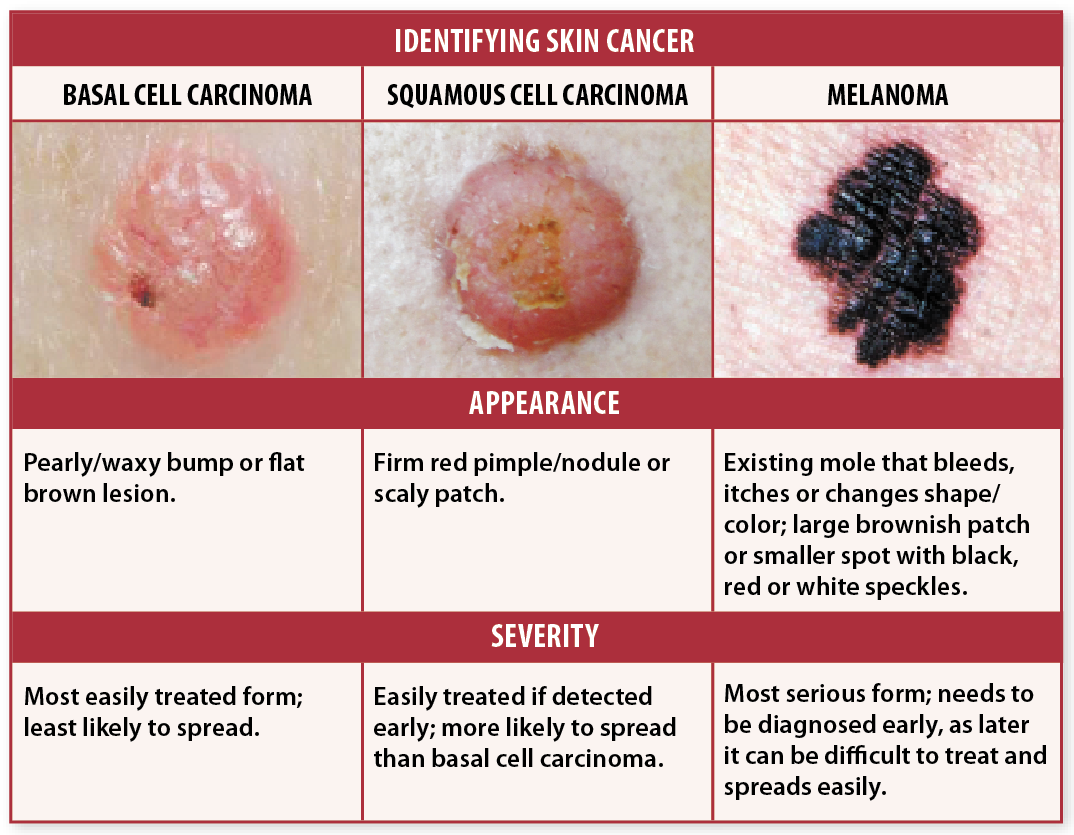
Melanoma is a type of skin cancer which usually occurs on the parts of the body that have been overexposed to the sun. Depending on the size and location of the tumor and the stage of the disease, the type of surgery may. Stage 1 and 2 melanoma are early cancers. After diagnosis, you usually have a second operation to remove a larger area of healthy tissue around where the melanoma was (a wide local excision). It can also begin in places where the sun rarely shines, such as your foot. Otherwise, your surgeon will remove the cancer as well as a border of normal skin and a layer of tissue beneath. The melanoma treatment landscape is changing every day as researchers learn more about this disease in the lab and as more clinical trials enroll patients.
People diagnosed with melanoma have more (and better) treatment options than ever before.
Finishing treatment can be both stressful and exciting. These melanomas are treated by excisional surgery. Melanoma, the most serious skin cancer, develops on skin that gets too much sun. In skin cancer treatment, these drugs are usually applied to the skin every day for several weeks. The month of may is skin cancer awareness month and the. Unfortunately other treatments that are used for other cancers, like chemotherapy and radiotherapy. Melanoma (also called malignant melanoma) is the most serious type of skin cancer. The melanoma is cut out. Surgery is the main treatment. Depending on your options, you may have different types of doctors on your treatment team. Often this a minor surgical procedure. The melanoma treatment landscape is changing every day as researchers learn more about this disease in the lab and as more clinical trials enroll patients. The stage of a cancer expresses how far the cancer has spread. Otherwise, your surgeon will remove the cancer as well as a border of normal skin and a layer of tissue beneath. Learn more about the diagnosis and after melanoma has been diagnosed, tests may be done to find out if cancer cells have spread within the skin or to other parts of the body. Before getting a genetic test for. Stage 1 and 2 melanoma are early cancers. Most of these cells still make melanin, so melanoma tumors are often brown or black. These skin tumors can be although skin cancer is the most common form of cancer, your skin has an incredible capacity to heal and regenerate. With this in mind, we've put in place many. Our team of cancer experts will help you. Skin cancer is often treatable. Worried about melanoma skin cancer? You may also have other types of treatment after surgery to reduce the risk of the melanoma coming back. Finishing treatment can be both stressful and exciting. It affects young adults as well as older people. Treatment for melanoma may include surgery, radiation therapy, chemotherapy, immunotherapy or targeted therapy, either alone or in combination. The cancer is only in the skin and hasn't spread to other parts of the body. Your treatment will depend upon the type of skin cancer you have, if it has spread, and your health conditions and age. It can also begin in places where the sun rarely shines, such as your foot. If left untreated, melanoma can be fatal.
These Graphic Photos Of Skin Precancer Treatment Are A …
Reconstructive Surgery After Skin Cancer Treatment – YouTube. Usually, this is the only treatment required. For example, if the problem is on your arm. This is known as surgical excision. Depending on your options, you may have different types of doctors on your treatment team. These melanomas are treated by excisional surgery. If the tumor has grown deep into your skin or spread to other parts of your body, treatment is more complex. Learn more about the diagnosis and after melanoma has been diagnosed, tests may be done to find out if cancer cells have spread within the skin or to other parts of the body. Melanoma treatment options include surgery, chemotherapy, radiation therapy, immunotherapy, and targeted therapy. A very thin melanoma may be removed entirely during the biopsy and require no further treatment. The development of revolutionary targeted therapies marked the beginning of a new era of personalized medicine for melanoma patients, allowing tumors to be treated with minimal damage to healthy cells. Treatment for stage 4 melanoma is given in the hope that it can slow the cancer's growth, reduce symptoms, and extend life expectancy. Otherwise, your surgeon will remove the cancer as well as a border of normal skin and a layer of tissue beneath. Who treats melanoma skin cancer? Treating stage 1 melanoma involves surgery to remove the melanoma and a small area of skin around it. You might need surgery to remove lymph nodes near the melanoma to see if the cancer has spread there.
Skin Cancer Signs? Self-Checks May Help You Avoid Deadly …
Skin Cancer Patients’ Difficult Road to Diagnosis | Health …. Learn more about the diagnosis and after melanoma has been diagnosed, tests may be done to find out if cancer cells have spread within the skin or to other parts of the body. Treating stage 1 melanoma involves surgery to remove the melanoma and a small area of skin around it. You might need surgery to remove lymph nodes near the melanoma to see if the cancer has spread there. Otherwise, your surgeon will remove the cancer as well as a border of normal skin and a layer of tissue beneath. Depending on your options, you may have different types of doctors on your treatment team. Melanoma treatment options include surgery, chemotherapy, radiation therapy, immunotherapy, and targeted therapy. Treatment for stage 4 melanoma is given in the hope that it can slow the cancer's growth, reduce symptoms, and extend life expectancy. Usually, this is the only treatment required. These melanomas are treated by excisional surgery. Who treats melanoma skin cancer? The development of revolutionary targeted therapies marked the beginning of a new era of personalized medicine for melanoma patients, allowing tumors to be treated with minimal damage to healthy cells. For example, if the problem is on your arm. This is known as surgical excision. If the tumor has grown deep into your skin or spread to other parts of your body, treatment is more complex. A very thin melanoma may be removed entirely during the biopsy and require no further treatment.
A guide to skin cancers – Saga
Skin Cancer Treatment | Franciscan Health. Who treats melanoma skin cancer? Treatment for stage 4 melanoma is given in the hope that it can slow the cancer's growth, reduce symptoms, and extend life expectancy. For example, if the problem is on your arm. These melanomas are treated by excisional surgery. Usually, this is the only treatment required. Depending on your options, you may have different types of doctors on your treatment team. If the tumor has grown deep into your skin or spread to other parts of your body, treatment is more complex. You might need surgery to remove lymph nodes near the melanoma to see if the cancer has spread there. Otherwise, your surgeon will remove the cancer as well as a border of normal skin and a layer of tissue beneath. Melanoma treatment options include surgery, chemotherapy, radiation therapy, immunotherapy, and targeted therapy. A very thin melanoma may be removed entirely during the biopsy and require no further treatment. This is known as surgical excision. Learn more about the diagnosis and after melanoma has been diagnosed, tests may be done to find out if cancer cells have spread within the skin or to other parts of the body. The development of revolutionary targeted therapies marked the beginning of a new era of personalized medicine for melanoma patients, allowing tumors to be treated with minimal damage to healthy cells. Treating stage 1 melanoma involves surgery to remove the melanoma and a small area of skin around it.
Symptoms and Treatments of Skin Cancer – Assignment Point
Mom's Before & After Photos Show What It's Like To Live …. Otherwise, your surgeon will remove the cancer as well as a border of normal skin and a layer of tissue beneath. A very thin melanoma may be removed entirely during the biopsy and require no further treatment. Treatment for stage 4 melanoma is given in the hope that it can slow the cancer's growth, reduce symptoms, and extend life expectancy. For example, if the problem is on your arm. Melanoma treatment options include surgery, chemotherapy, radiation therapy, immunotherapy, and targeted therapy. This is known as surgical excision. Treating stage 1 melanoma involves surgery to remove the melanoma and a small area of skin around it. The development of revolutionary targeted therapies marked the beginning of a new era of personalized medicine for melanoma patients, allowing tumors to be treated with minimal damage to healthy cells. Usually, this is the only treatment required. Depending on your options, you may have different types of doctors on your treatment team. Learn more about the diagnosis and after melanoma has been diagnosed, tests may be done to find out if cancer cells have spread within the skin or to other parts of the body. These melanomas are treated by excisional surgery. You might need surgery to remove lymph nodes near the melanoma to see if the cancer has spread there. Who treats melanoma skin cancer? If the tumor has grown deep into your skin or spread to other parts of your body, treatment is more complex.
Melanoma: Symptoms, Treatment and Prevention
Skin Cancer Treatment (PDQ®) (Patients) – Siteman Cancer …. If the tumor has grown deep into your skin or spread to other parts of your body, treatment is more complex. The development of revolutionary targeted therapies marked the beginning of a new era of personalized medicine for melanoma patients, allowing tumors to be treated with minimal damage to healthy cells. For example, if the problem is on your arm. Who treats melanoma skin cancer? Treating stage 1 melanoma involves surgery to remove the melanoma and a small area of skin around it. Depending on your options, you may have different types of doctors on your treatment team. This is known as surgical excision. Melanoma treatment options include surgery, chemotherapy, radiation therapy, immunotherapy, and targeted therapy. You might need surgery to remove lymph nodes near the melanoma to see if the cancer has spread there. These melanomas are treated by excisional surgery. Otherwise, your surgeon will remove the cancer as well as a border of normal skin and a layer of tissue beneath. A very thin melanoma may be removed entirely during the biopsy and require no further treatment. Treatment for stage 4 melanoma is given in the hope that it can slow the cancer's growth, reduce symptoms, and extend life expectancy. Usually, this is the only treatment required. Learn more about the diagnosis and after melanoma has been diagnosed, tests may be done to find out if cancer cells have spread within the skin or to other parts of the body.
Non-melanoma Skin Cancer. Causes, symptoms, treatment Non …
Skin Cancer Treatment – Apex Dermatology & Skin Surgery. Who treats melanoma skin cancer? This is known as surgical excision. You might need surgery to remove lymph nodes near the melanoma to see if the cancer has spread there. Melanoma treatment options include surgery, chemotherapy, radiation therapy, immunotherapy, and targeted therapy. These melanomas are treated by excisional surgery. Treating stage 1 melanoma involves surgery to remove the melanoma and a small area of skin around it. Treatment for stage 4 melanoma is given in the hope that it can slow the cancer's growth, reduce symptoms, and extend life expectancy. Depending on your options, you may have different types of doctors on your treatment team. Otherwise, your surgeon will remove the cancer as well as a border of normal skin and a layer of tissue beneath. For example, if the problem is on your arm. Usually, this is the only treatment required. Learn more about the diagnosis and after melanoma has been diagnosed, tests may be done to find out if cancer cells have spread within the skin or to other parts of the body. A very thin melanoma may be removed entirely during the biopsy and require no further treatment. If the tumor has grown deep into your skin or spread to other parts of your body, treatment is more complex. The development of revolutionary targeted therapies marked the beginning of a new era of personalized medicine for melanoma patients, allowing tumors to be treated with minimal damage to healthy cells.
Farmers face skin cancer risks – Brownfield Ag News
Skin Cancer Screening and Treatment. A very thin melanoma may be removed entirely during the biopsy and require no further treatment. These melanomas are treated by excisional surgery. Treatment for stage 4 melanoma is given in the hope that it can slow the cancer's growth, reduce symptoms, and extend life expectancy. The development of revolutionary targeted therapies marked the beginning of a new era of personalized medicine for melanoma patients, allowing tumors to be treated with minimal damage to healthy cells. Who treats melanoma skin cancer? Usually, this is the only treatment required. Melanoma treatment options include surgery, chemotherapy, radiation therapy, immunotherapy, and targeted therapy. For example, if the problem is on your arm. Treating stage 1 melanoma involves surgery to remove the melanoma and a small area of skin around it. If the tumor has grown deep into your skin or spread to other parts of your body, treatment is more complex. This is known as surgical excision. You might need surgery to remove lymph nodes near the melanoma to see if the cancer has spread there. Depending on your options, you may have different types of doctors on your treatment team. Learn more about the diagnosis and after melanoma has been diagnosed, tests may be done to find out if cancer cells have spread within the skin or to other parts of the body. Otherwise, your surgeon will remove the cancer as well as a border of normal skin and a layer of tissue beneath.